Cold and Flu Medicine in Japan: What to Buy at the Drugstore
No OTC flu medicine exists in Japan — but for a cold, the drugstore has plenty. Here's what to look for and what to grab off the shelf.
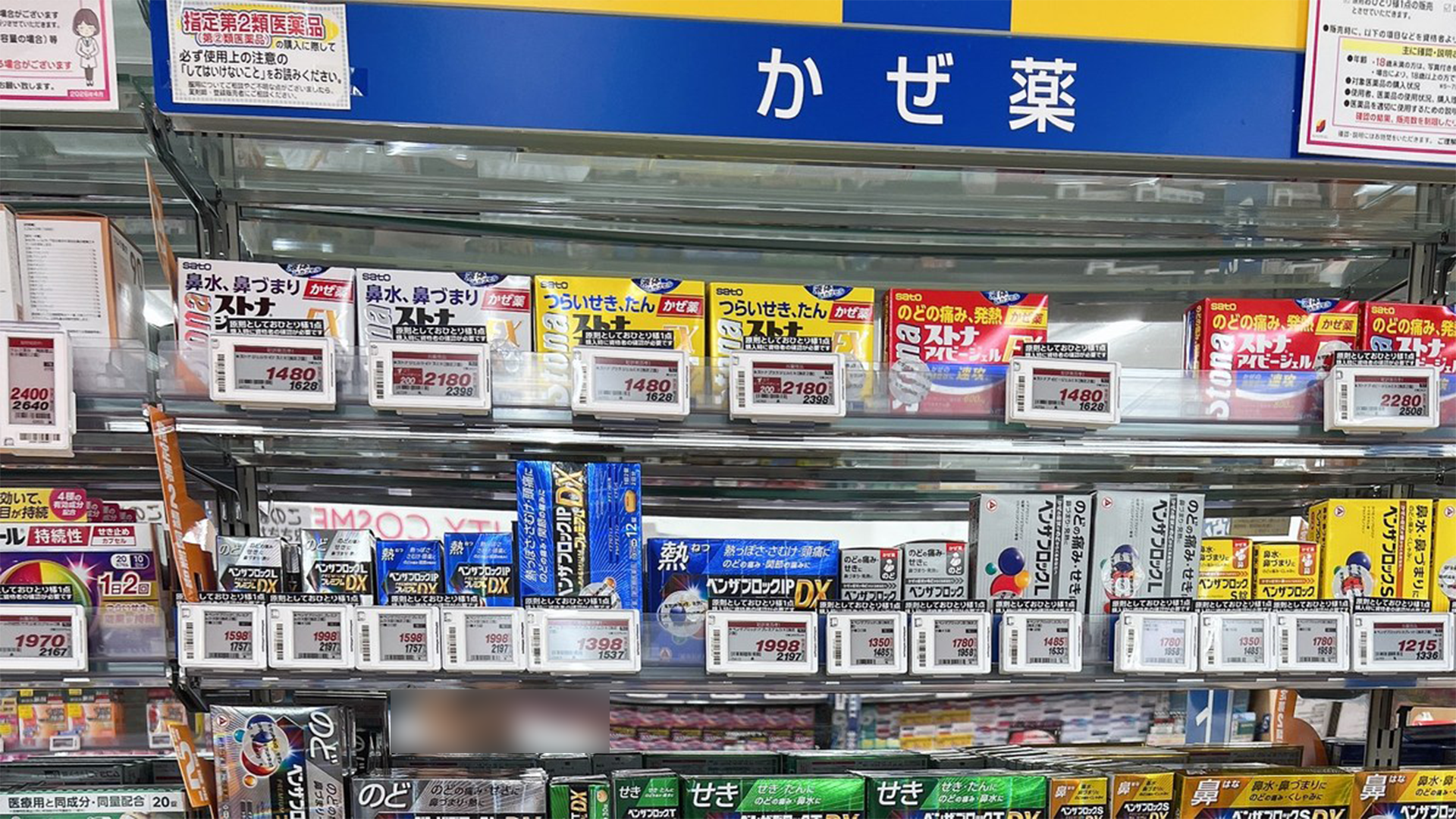
You wake up with a sore throat, a runny nose, and a headache. You need cold medicine. The drugstore is right there — but the shelf is full of Japanese boxes and you have no idea where to start.
Japan has plenty of OTC cold medicine, and most of it works well. Once you know what to look for, picking the right one isn't hard. Here's a quick rundown.
First: Is it flu or a cold?
This distinction matters more in Japan than it does back home — because the treatment options are completely different.
🤒 Influenza (インフルエンザ)
High fever that hit fast, chills, body aches — this is likely flu. Tamiflu and Xofluza are available in Japan, but only by prescription. There's nothing equivalent at the drugstore. Go to a clinic (内科 — naika) quickly — ideally within 48 hours of symptoms starting. They can test for flu on the spot.
🤧 Common Cold (風邪)
Runny nose, sore throat, cough, mild fever — that's a cold, and the drugstore has what you need. Look for the 風邪薬 (kaze-gusuri) sign. It's usually on a big banner above the medicine aisle, just like in the photo above.
Not Sure What to Get? Start Here.
If you just want one product that covers everything — cough, runny nose, sore throat, fever, the works — Pabron Gold A is the one to grab. It's been around for decades and is probably the most well-known cold medicine in Japan.
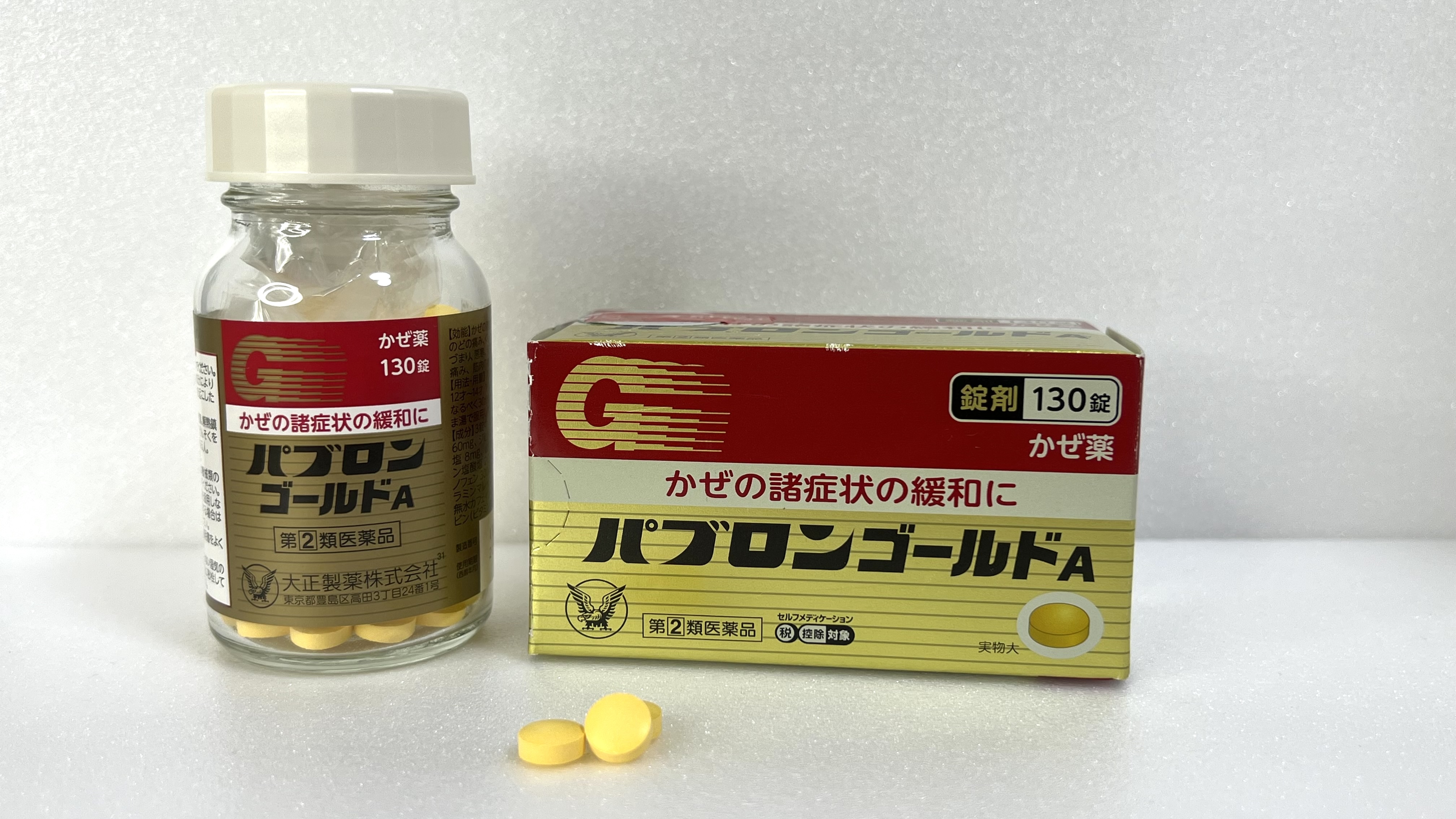 Pabron Gold A Tablets
パブロンゴールドA錠
Seven active ingredients in one tablet: a fever reducer, a cough suppressant, an expectorant, a decongestant, and an antihistamine for runny nose. You don't have to think about which symptom to target — it handles all of them.
Active Ingredients (per 3-tablet dose)
If Your Cold Has One Main Symptom
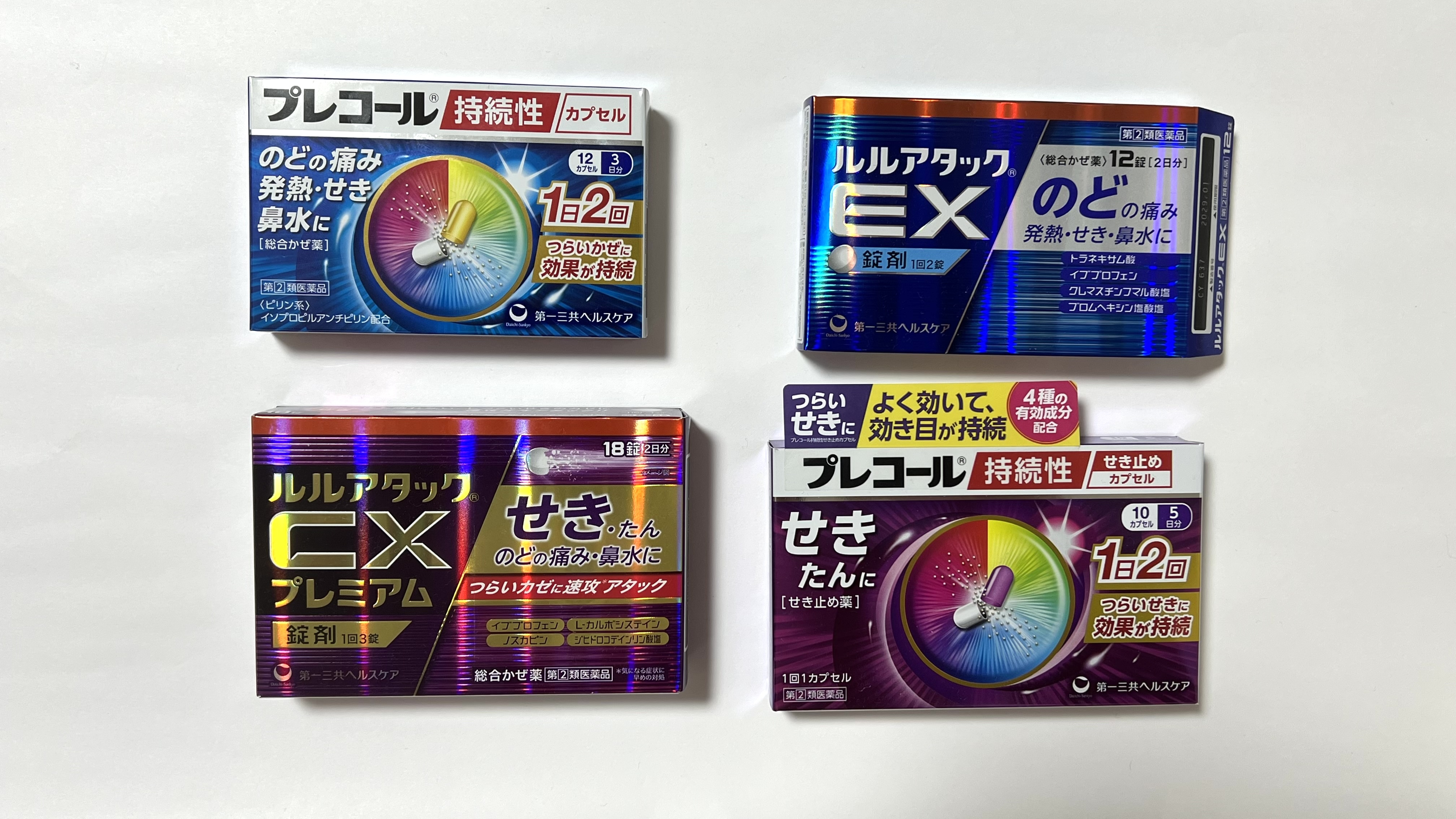
Many Japanese cold medicines are designed around a specific symptom — a stubborn cough, a sore throat, a fever. If you know what's bothering you most, these options are worth considering.
| Medicine | Best for | |
|---|---|---|
 |
Lulu Attack EX | Sore throat, fever |
 |
Lulu Attack CX Premium | Cough, phlegm, sore throat |
 |
Precol Long-acting Capsule | Sore throat, fever, cough, runny nose — twice-daily dosing |
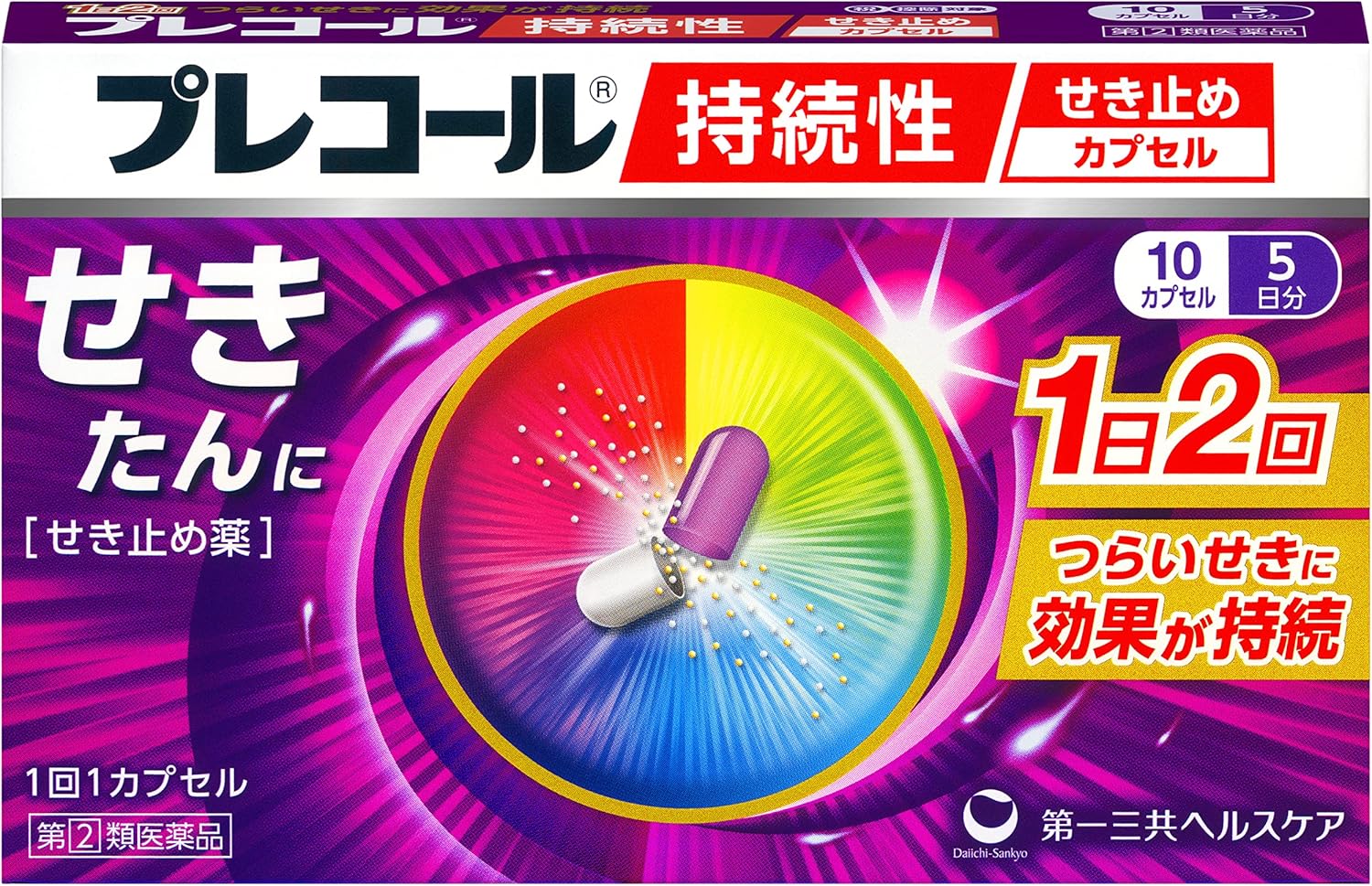 |
Precol Long-acting Cough Capsule | Cough, phlegm — cough-only formula |
 |
Benzablock S Premium DX | Runny nose, sneezing, nasal congestion |
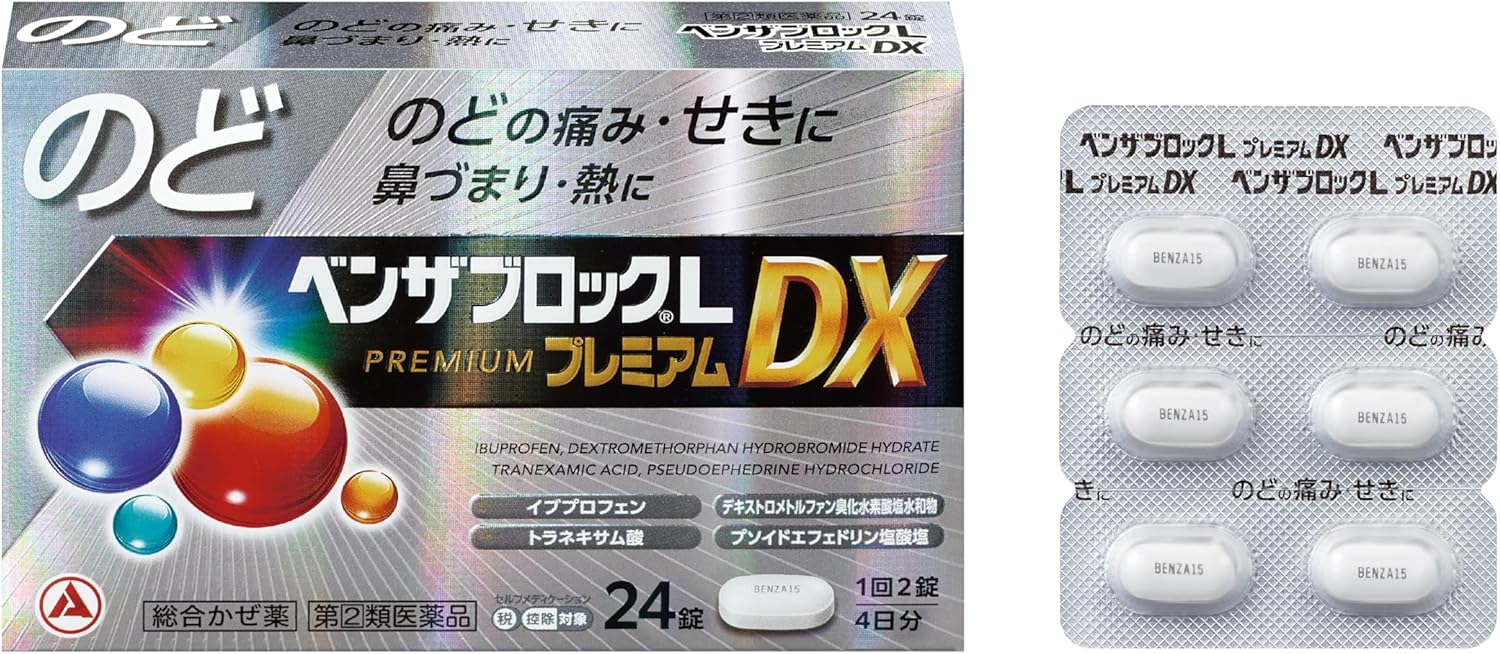 |
Benzablock L Premium DX | Sore throat, cough |
 |
Benzablock T Premium DX | Cough, phlegm |
 |
Benzablock IP Premium DX | Fever, chills, headache |
A Few Things Worth Knowing
風邪薬 is the sign to look for
Pronounced kaze-gusuri, this is the Japanese word for cold medicine. You'll usually see it on a large sign above the aisle — exactly like the photo at the top of this page. If you can't find the section, just ask: 風邪薬はどこですか? (Kaze-gusuri wa doko desu ka?)
You can ask the pharmacist
Most cold medicines in Japan are Class 2 drugs, so there's always a registered pharmacist or salesperson nearby who can help. Even just pointing at this page on your phone and miming your main symptom will usually get you the right recommendation.
Expect to feel drowsy
Almost all Japanese combination cold medicines contain antihistamines, and antihistamines make you sleepy. If you're driving or need to stay sharp at work, check the box for 眠気 (nemuke) in the warnings. That's the word for drowsiness.
Still not getting better?
If things aren't improving after a few days, or your fever spiked suddenly and is running high, skip the drugstore and go to a clinic. Search for 内科 (naika) on Google Maps — that's a general internal medicine clinic. They're everywhere and usually don't require an appointment.
See the full cold medicine lineup
30+ cold medicines with full English ingredient lists, dosage, and warnings — all in one place.
Browse Cold Medicine →