Codeine in Japanese Cold Medicine: What You Need to Know
Many common Japanese OTC cold medicines contain dihydrocodeine — most people don't realize it.
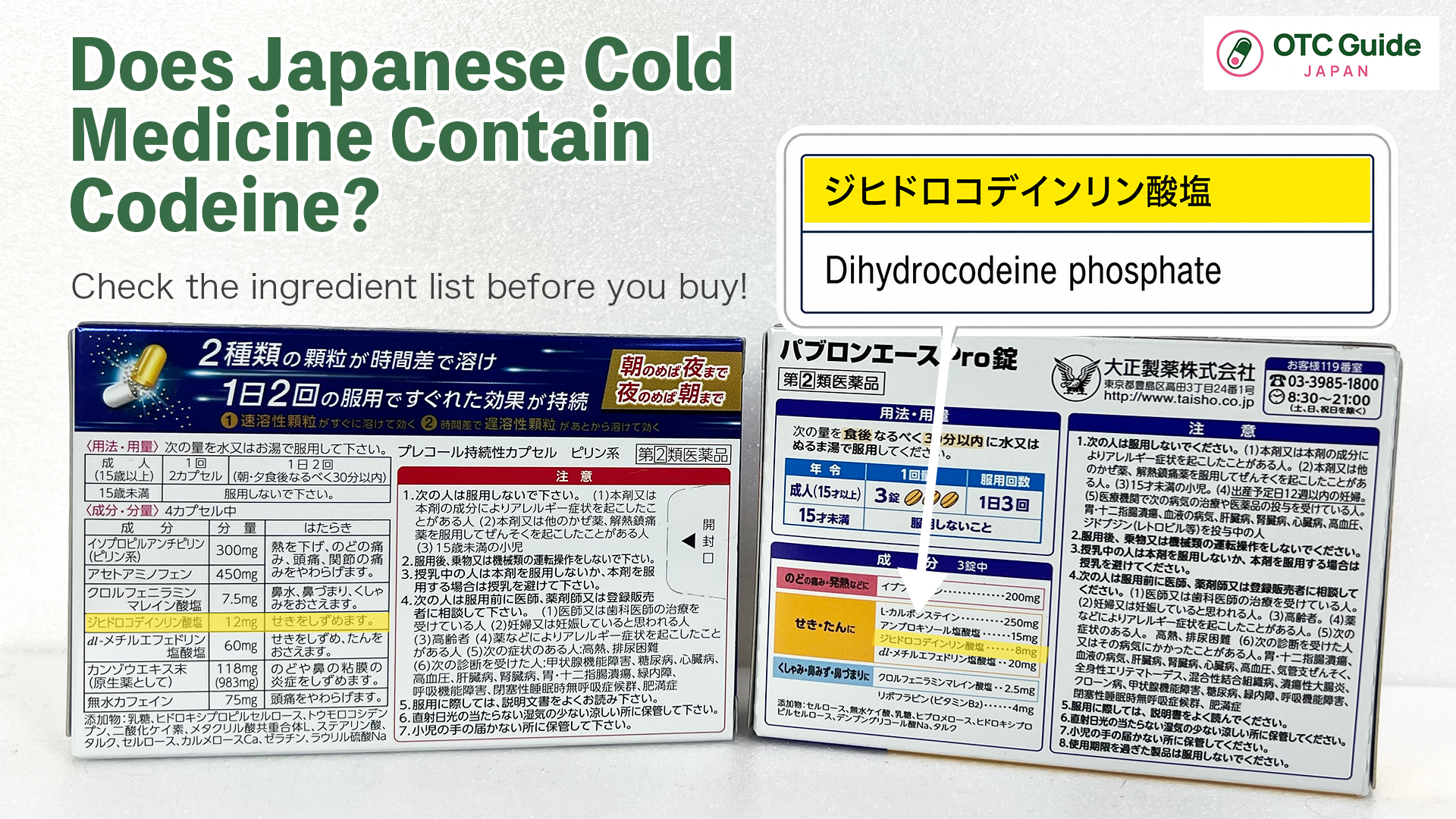
If you've bought cold medicine at a Japanese drugstore, there's a good chance it contained a mild opioid — and you probably didn't know. Many of Japan's most popular OTC cold medicines contain dihydrocodeine phosphate (ジヒドロコデインリン酸塩), a cough suppressant derived from codeine. In Japan, it is a standard ingredient in a wide range of OTC cold and cough medicines.
What Is Dihydrocodeine?
Dihydrocodeine is a mild opioid used primarily as a cough suppressant. It suppresses the cough reflex by acting on the brain. In Japanese cold medicines, it appears alongside other ingredients for runny nose, congestion, fever, and phlegm.
Most medicines that contain dihydrocodeine include a warning not to drive or operate machinery after taking. Check the package insert of the specific product for full details.
How to Spot It on the Label
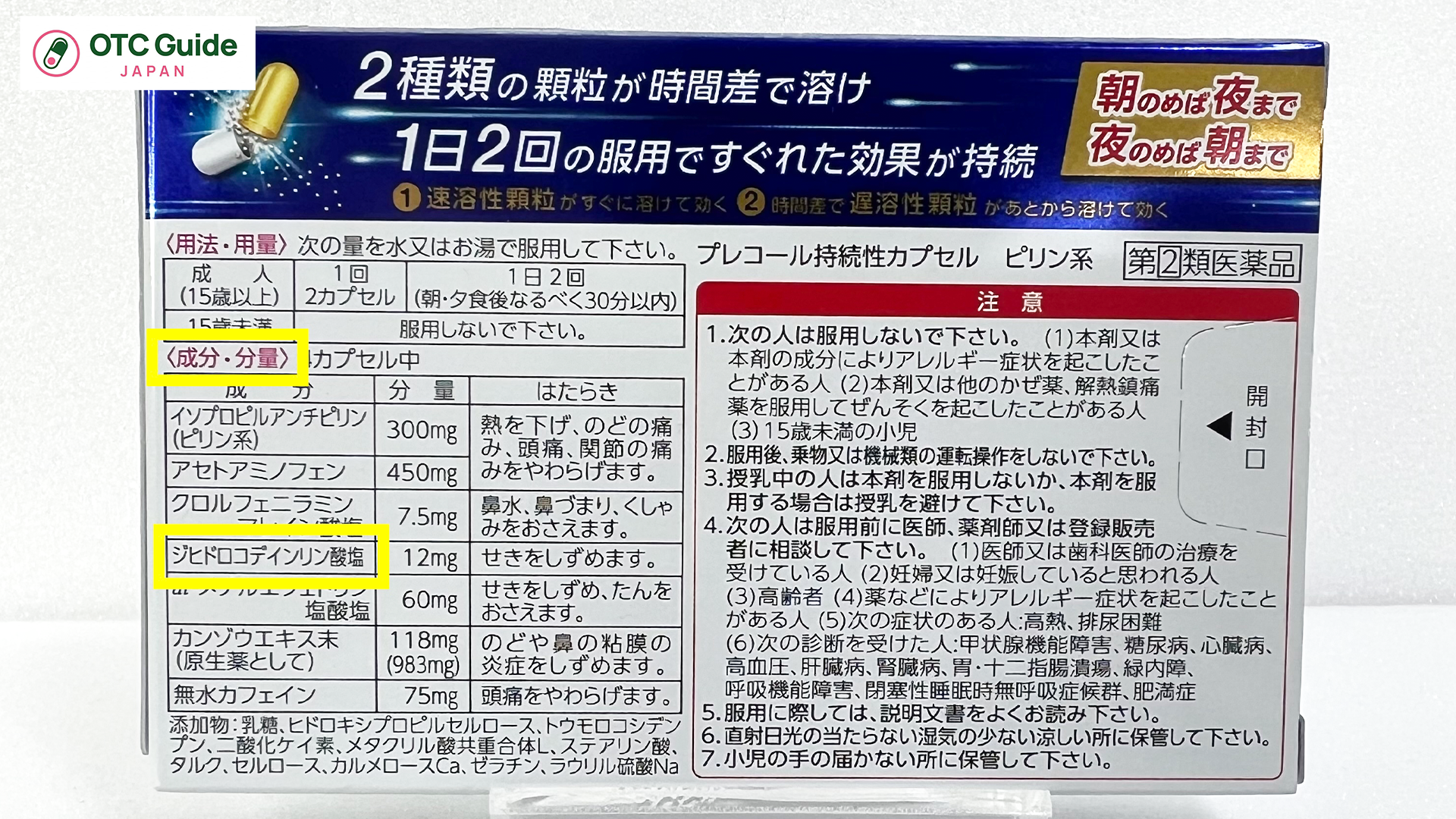
On a Japanese medicine box, look at the ingredients section (成分・分量) on the back. Dihydrocodeine is listed as:
ジヒドロコデインリン酸塩
Dihydrocodeine phosphate
You'll usually find it near dl-メチルエフェドリン塩酸塩 (dl-methylephedrine) and アンブロキソール塩酸塩 (ambroxol) — the other cough-related ingredients.
Japanese OTC Cold Medicines That Contain Dihydrocodeine
The following cold medicines registered on OTC Guide Japan contain dihydrocodeine phosphate as an active ingredient. Click any product name for full English ingredients, dosage, and warnings.
| Medicine | Contains | |
|---|---|---|
 | Benzablock T Premium DX | Dihydrocodeine |
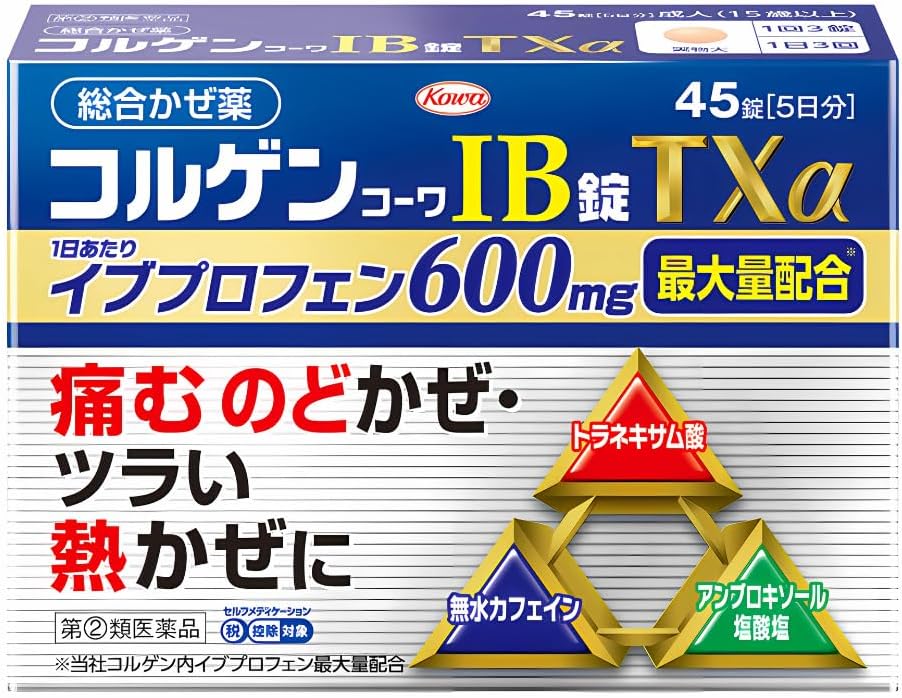 | Colgen Kowa IB Tablets TX Alpha | Dihydrocodeine |
 | Estac EX Neo | Dihydrocodeine |
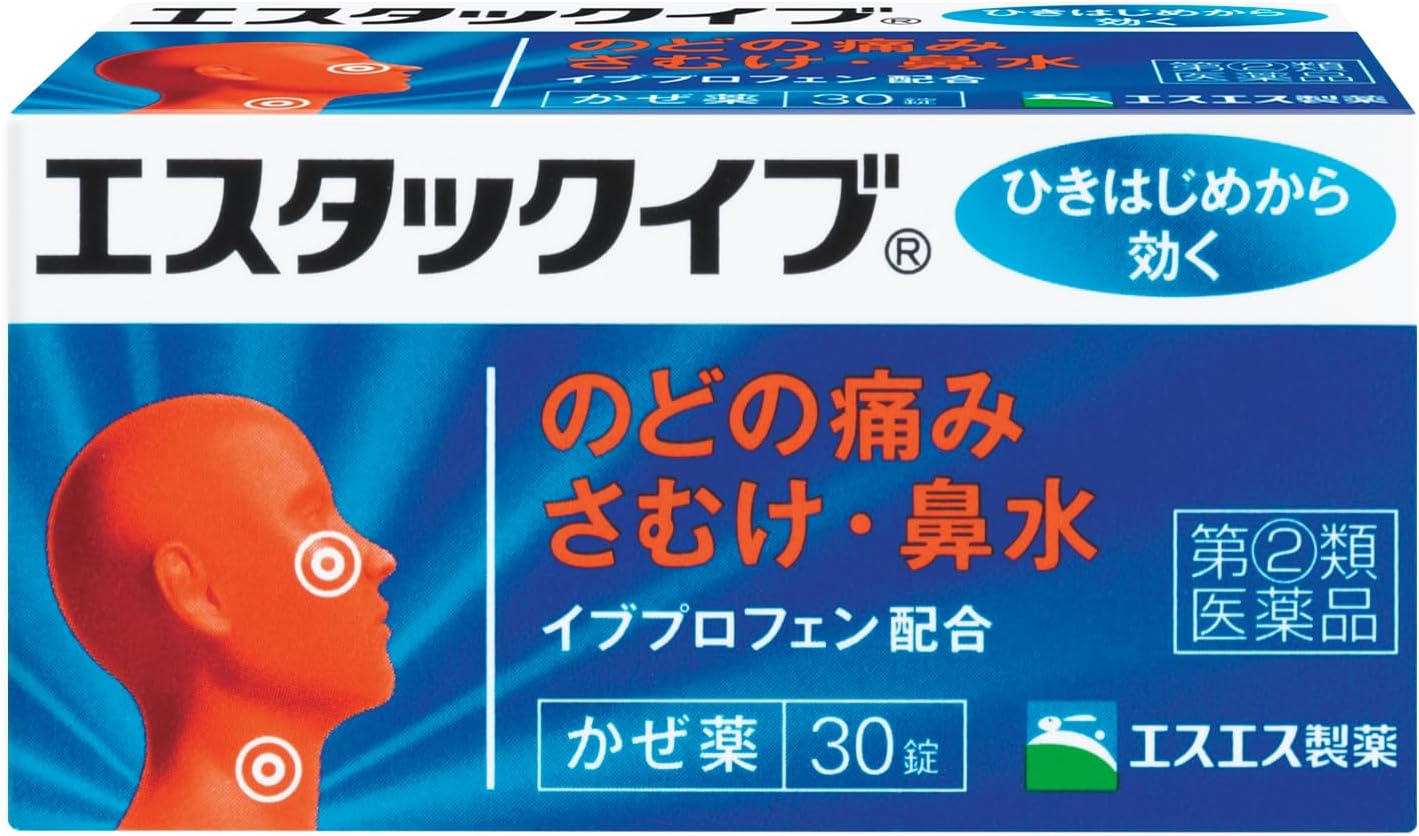 | Estac Ibu | Dihydrocodeine |
 | Jikineen First Neo | Dihydrocodeine |
 | Lulu Attack CX Premium | Dihydrocodeine |
 | Lulu Attack EX | Dihydrocodeine |
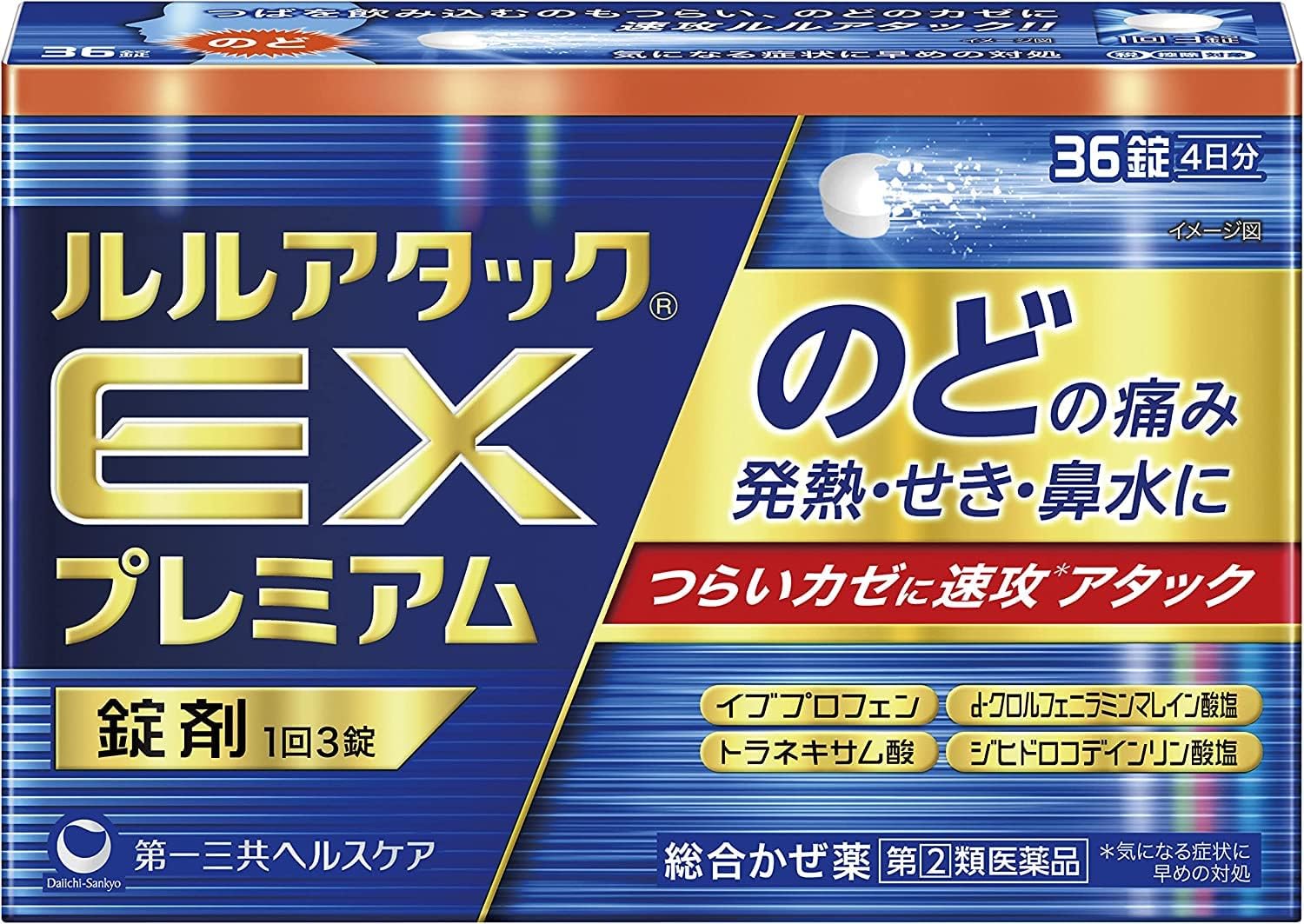 | Lulu Attack EX Premium | Dihydrocodeine |
 | Lulu Attack NX Premium | Dihydrocodeine |
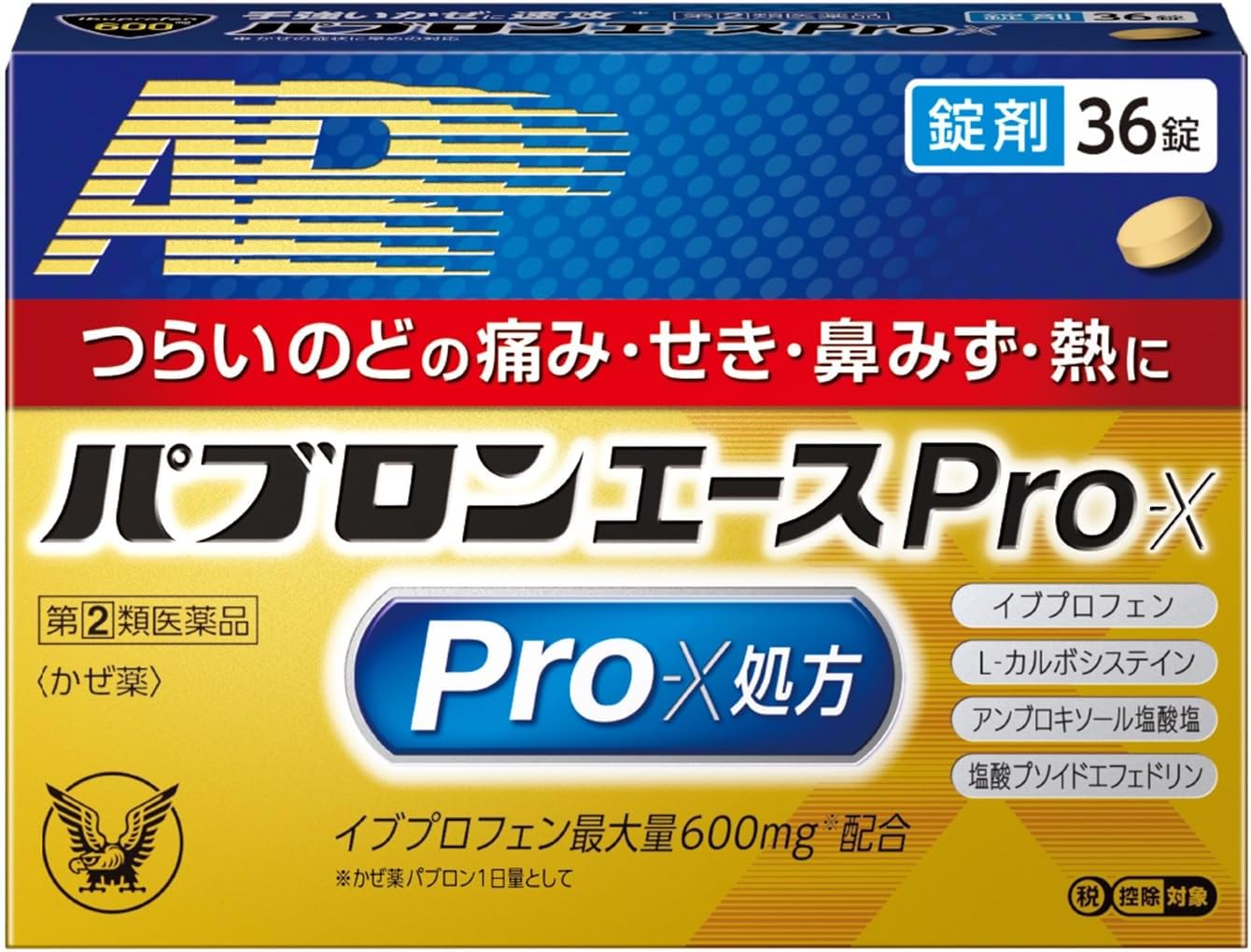 | Pabron Ace Pro-X Tablets | Dihydrocodeine |
 | Pabron Gold A Tablets | Dihydrocodeine |
 | Pabron S Cough | Dihydrocodeine |
 | Pabron S Gold W Tablets | Dihydrocodeine |
 | Pabron Select T | Dihydrocodeine |
 | Precol Long-acting Capsule | Dihydrocodeine |
 | Stona EX Tablets | Dihydrocodeine |
 | Stona Gel Sinus EX | Dihydrocodeine |
 | Stona IB Gel EX | Dihydrocodeine |
 | Stona Plus Gel EX | Dihydrocodeine |
Why This Surprises People in Japan
This surprises many people visiting or living in Japan. In many Western countries — including the US, UK, and Australia — codeine-based medicines require a prescription or have been tightly restricted in recent years.
So when you pick up a box of Pabron or Precol at a Japanese drugstore — a familiar-looking "cold medicine" — you might not expect to find a codeine-related ingredient in the list.
Purchasing Rules
Japan has tightened restrictions on dihydrocodeine-containing medicines in recent years. In April 2023, purchase restrictions were extended to all products containing dihydrocodeine — including general cold medicines like Lulu and Precol, not just dedicated cough medicines. In May 2026, a new legal category — designated abuse-prevention medicines (指定濫用防止医薬品) — came into force with stronger rules:
- Must be sold by a pharmacist or registered salesperson in person (or via video call for online purchases)
- Age verification required — ID may be requested
- Purchasers under 18 can only buy small-quantity packs (one unit, up to a 5–7 day supply)
- Staff must ask whether you have purchased the same medicine elsewhere recently
- Products must be kept behind the counter or in a locked display case
Note for Travelers
If you are taking Japanese cold medicine home with you, check your destination country's rules on importing codeine-based products. Some countries classify dihydrocodeine as a controlled substance and may require documentation or prohibit import altogether. Keep the original box and package insert with you.
Frequently Asked Questions
Is dihydrocodeine the same as codeine?
Dihydrocodeine is a derivative of codeine with similar properties. Both are mild opioids used as cough suppressants. In Japanese OTC medicines, dihydrocodeine phosphate (ジヒドロコデインリン酸塩) is the form used.
Is it legal to buy these medicines in Japan?
Yes. Dihydrocodeine is legal in Japanese OTC medicines and is sold at drugstores throughout the country. As of May 2026, these medicines are classified as designated abuse-prevention medicines and must be sold by a pharmacist or registered salesperson. Purchasers under 18 face additional restrictions on quantity.
Will these medicines make me drowsy?
Dihydrocodeine can cause drowsiness. Most products that contain it include a warning not to drive or operate machinery after taking. Check the package insert of the specific product for full details.
How can I find the dihydrocodeine content on the box?
Look for ジヒドロコデインリン酸塩 in the ingredients section (成分・分量) on the back of the box. The amount is listed in milligrams.
If you're unsure whether a medicine is right for you, speak with a pharmacist (薬剤師) or registered salesperson (登録販売者) at the drugstore. They can help guide you to the right product.