Japan's OTC Medicine Class System: What the Labels Mean
Once you know how it works, buying medicine in Japan gets a lot easier.
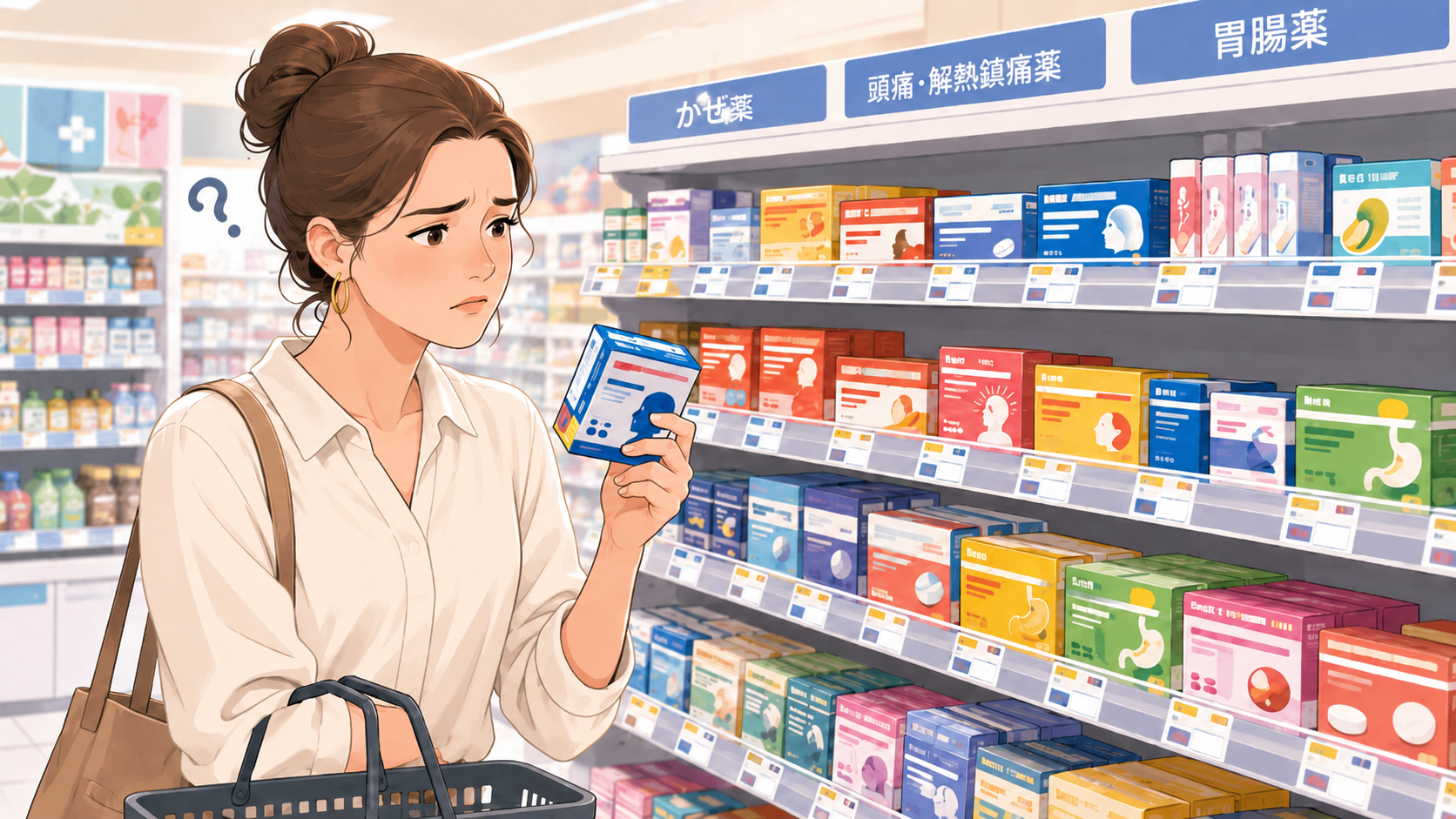
A lot of people moving to Japan have the same experience. You walk into a drugstore, grab a box of medicine, head to the register — and the pharmacist starts asking you something in Japanese. You smile and nod. You're not sure what just happened.
It's not random. Japan has a system. And once you know it, buying medicine here gets a lot easier.
The categories
Japan divides all medicine into categories based on how much risk they carry. The category is always printed on the box — usually on the front or the side.
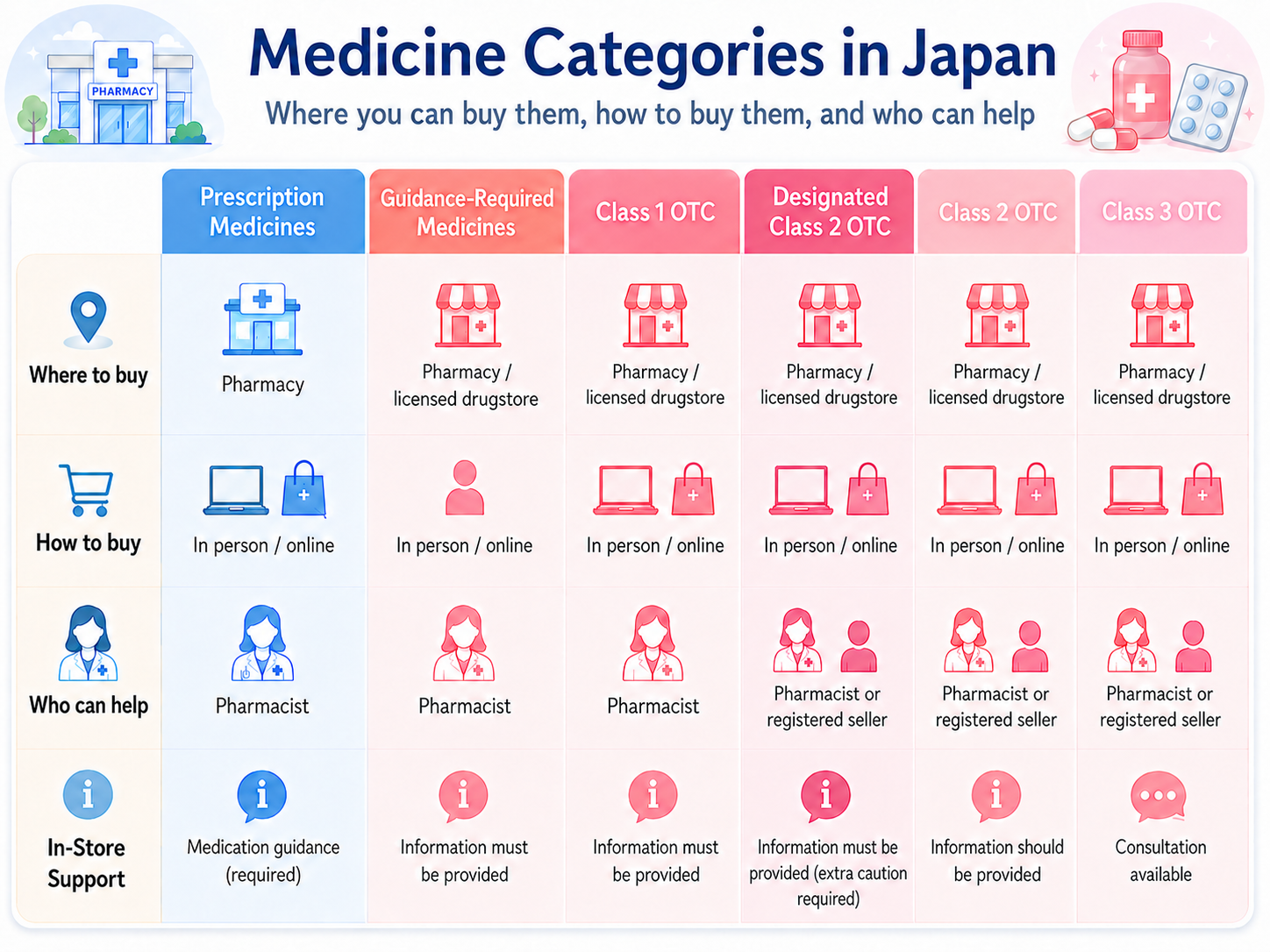
Prescription Medicine (医療用医薬品)
You can't buy this at a drugstore. You need a doctor's prescription first.
Pharmacist Guidance Required (要指導医薬品)
This is medicine that was recently moved from prescription-only to OTC. A pharmacist must be involved in every sale — they'll ask about your symptoms and any other medicines you're taking. In-person purchases are the norm, but as of May 2026, online sales are also possible when a pharmacist provides guidance remotely.
Class 1 OTC (第一類医薬品)
Only a pharmacist can sell this. They'll ask you a few quick questions, and you'll tap a device to confirm you've read the product information. Includes fast-acting, strong pain relievers and fever reducers.
Designated Class 2 OTC (指定第二類医薬品)
Similar to Class 2, but carries stricter warnings. Check the label carefully before buying — and if you're unsure, ask the pharmacist.
Class 2 OTC (第二類医薬品)
This is where most everyday medicine falls — cold medicine, allergy tablets, pain relievers for headaches and period pain. No mandatory conversation with a pharmacist, but they're available if you have questions.
Class 3 OTC (第三類医薬品)
Vitamins, eye drops, mild digestive medicine. The most straightforward category to buy.
Also on the shelf: Quasi-Drug (医薬部外品)
Not a medicine — this is a separate category entirely. You'll see this label on medicated shampoos, vitamin drinks, and some digestive and skin products. No pharmacist needed, and available at convenience stores too.
Why Japan does it this way
Some of the medicine you can buy over the counter in Japan would require a prescription in other countries. The class system is how Japan handles that — the higher the class, the more oversight is built in.
Japan trusts people to self-medicate — but with the right guardrails in place.
When the pharmacist talks to you
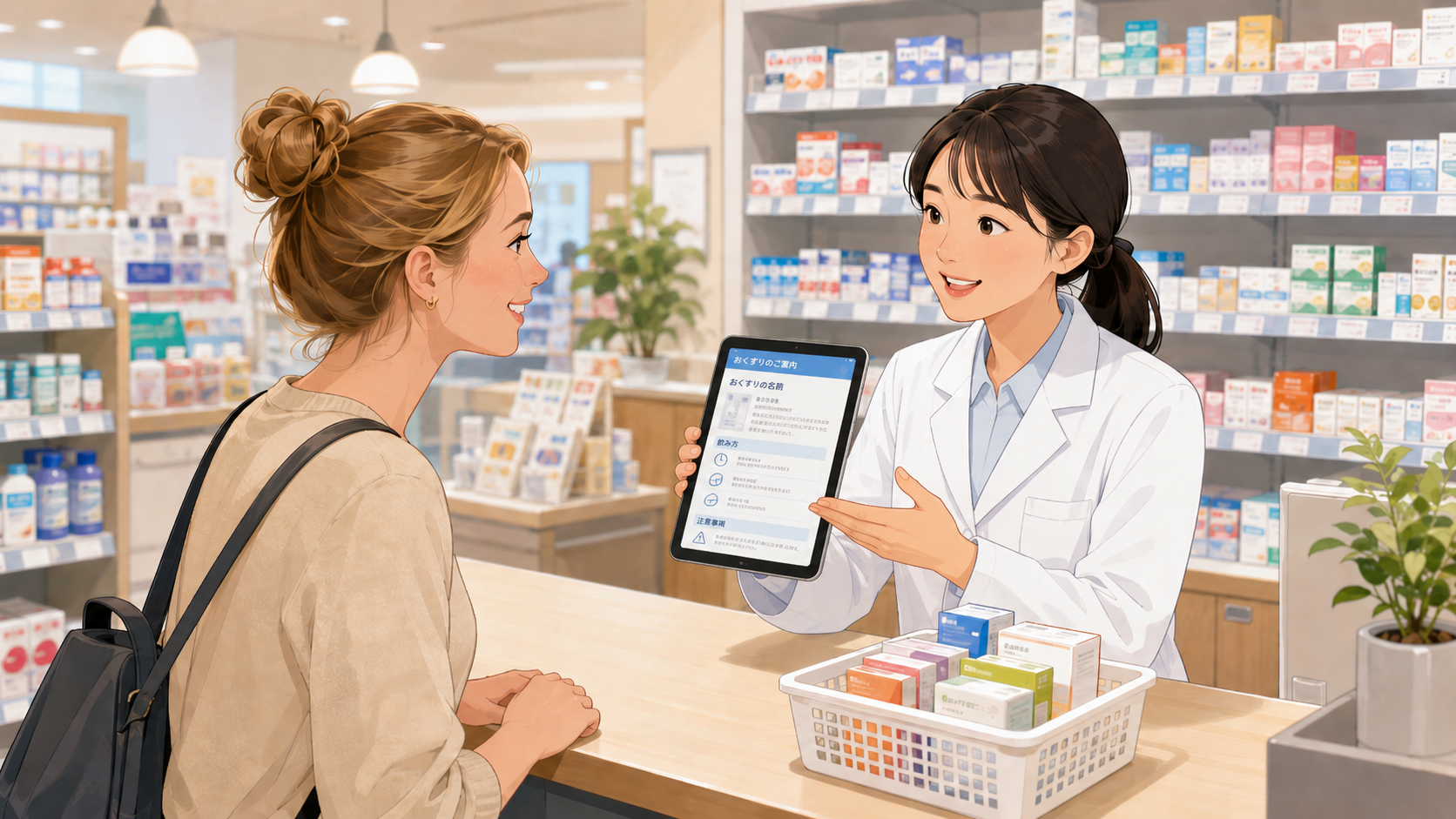
If a pharmacist stops you or asks questions, they're doing their job. It can feel awkward if you don't speak Japanese, but a translation app helps a lot. You can also just point at the box. Most pharmacists are patient. They're not trying to stop you from buying — they just want to make sure it's safe for you.